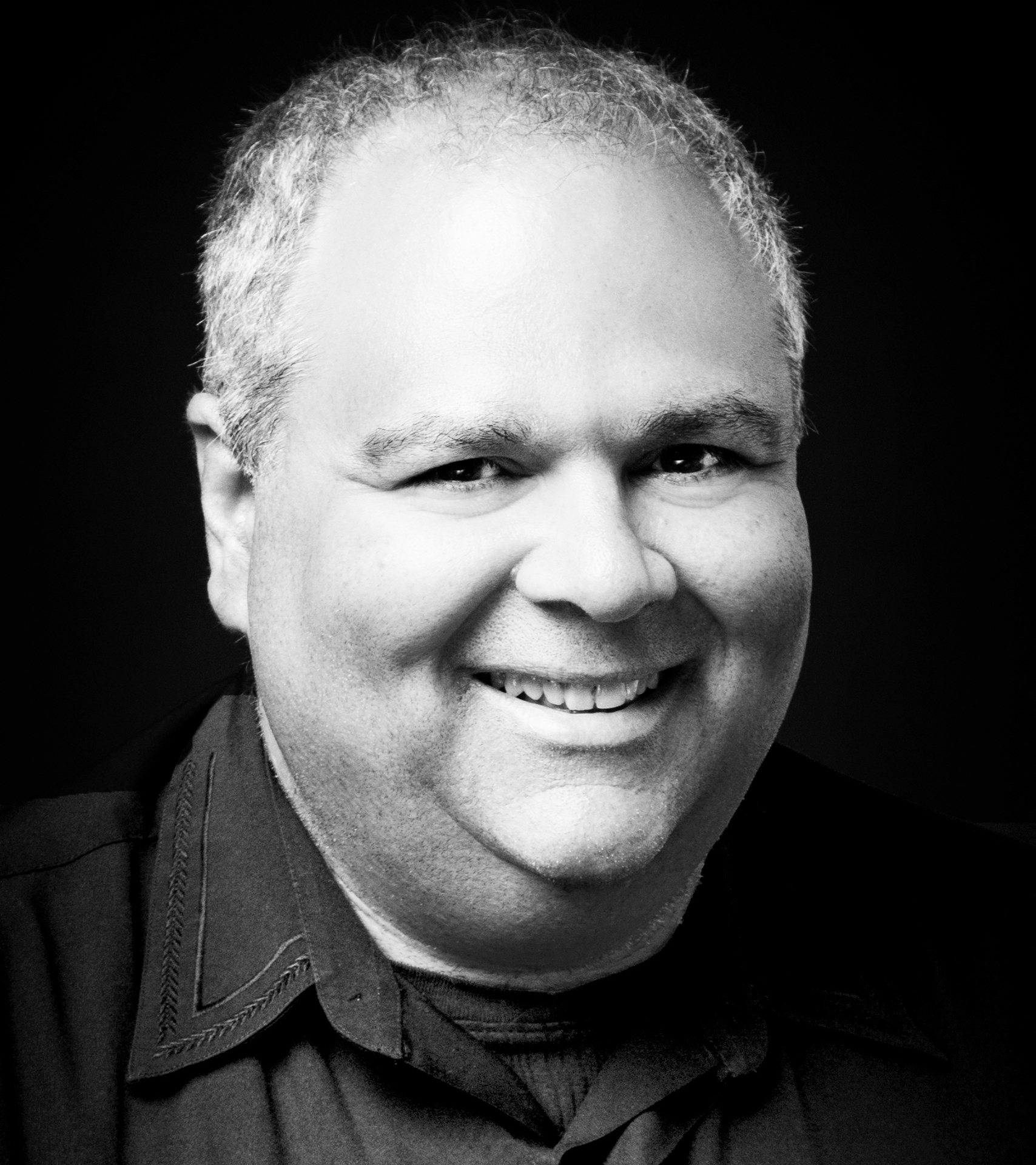

Poetry in motion – a review of “Chatterton”

By Mike “Buzz” Buzzelli, ‘Burgh Vivant

When Charles Wychwood (Tony Bingham), a struggling poet and author, exchanges a pack of old books for a painting in a bizarre, little curio shop, a mystery is afoot in “Chatterton.”

Way back in the late 1700s, the poet Thomas Chatteron published poems under the nom de plume Thomas Rowley at the age of eleven, but committed suicide at a seventeen. Wychwood’s painting depicts a much older Chatterton, leaving Charles and his friend Philip (Martin Giles) to speculate that the poet faked his death and lived on for years afterward, possibly forging the works of William Cowper, William Blake and others.

Just as the mystery deepens, an aging novelist, Harriet Scrope (Helena Ruoti), contacts Wychwood and asks him to help her writer her memoirs. Scrope, however, is drowning in her own guilt for plagiarizing the plots of lesser known authors.

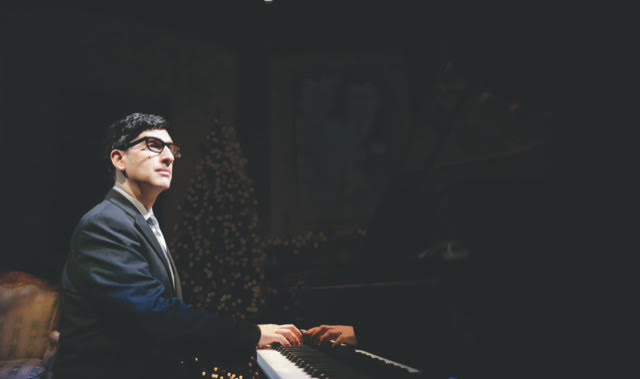
Wychwood meets with Scrope and a variety of oddballs on his path to learning the truth about the painting much to the consternation of his wife, Vivien (Gayle Pazerski) and young son, Edward (Eamonn McElfresh or Charlie Russell, rotating the role), but the specter of Chatterton (Jonathan Visser) looms large.

Meanwhile, in the 19th Century, the painter Henry Wallis (Martin Giles) asks George Meredith (Tim McGeever) to pose as Chatterton for his painting, “The Death of Chatterton.”

The two disparate timelines connect and converge repeatedly like a DNA double helix.

“The Death of Chatterton” is an oil painting on canvas, by the English Pre-Raphaelite painter Henry Wallis. It hangs in Tate in London.

The play is adapted from Sir Peter Ackroyd’s book, “Chatterton” by artistic director Karla Boos with help from Martin Giles (as a contributor and dramaturg). Boos created and directed the event for Pittsburgh’s International Festival of Firsts, which is featuring 30 international companies and artists from 20 countries, including representation from Pittsburgh’s own arts community with never-before-seen theater, dance, music, visual arts and immersive experiences.

“Chatterton” is one of those aforementioned immersive events. At the beginning of the evening you are handed a small square of paper with a symbol on it, such as a quill, a typewriter or a paintbrush. A guide (Niko Bernstein, Kaitlin Kerr or Zev Woskoff) takes you on a journey throughout the space, sometimes intersecting with the other groups. Apparently, there is a third track that takes place in the 18th Century that intertwines into the story (from double helix to friendship bracelet), but different audience members get different experiences.

Quantum Theatre’s tagline “Theater that moves you” has never been truer as you sprint through the halls of the Trinity Cathedral trying to catch up with the action. If you get stuck behind slow moving patrons, you will miss some of the dialogue (Arrgh! Sloths!).

At intermission, a meal is served (each week a different chef from a local restaurant or caterer).

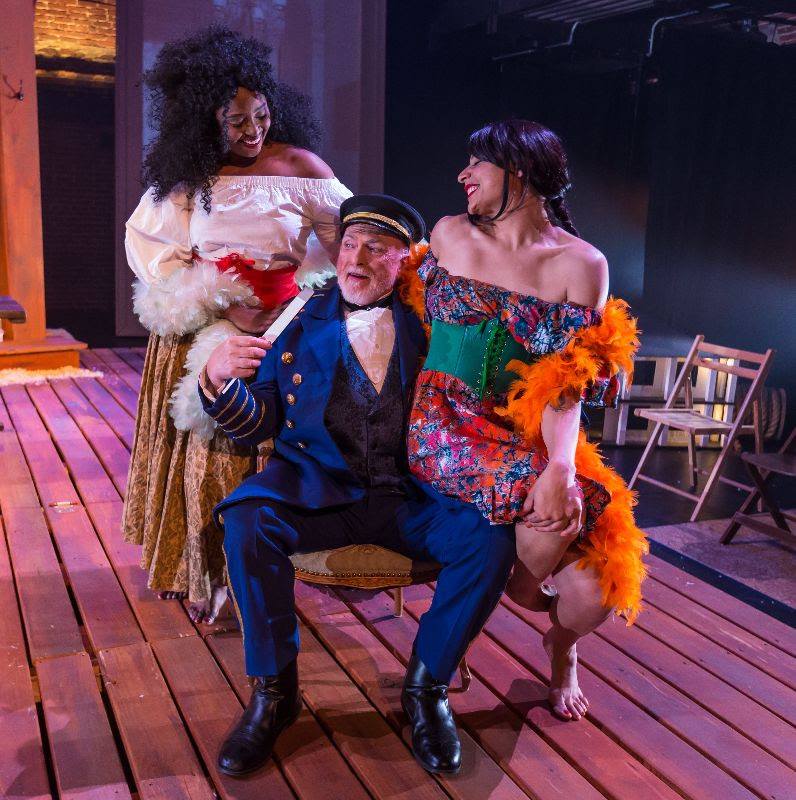
“Chatterton” has some fantastic characters played by fantastic actors, particularly Tammy Tsai’s looney Mrs. Leno (with mannequin parts to substitute for an arm and a leg); Ken Bolden’s bitchy British queen, Pat; Alan Stanford’s greedy gallery owner, Cumberland; and McGeever’s cuckolded Meredith (shining equally well as flirty painter Stewart Merk).

Bingham does a great job as the obsessed author, Wychwood, especially in a churchyard scene with Bolden that could have been too comic and over the top, a few wry looks were enough to get the audience tittering.

Ruoti is a force to be reckoned with. She chews up even the most opulent scenery. She has a rant on death and taxidermy that is hilarious (performed with a stuffed kitty).

“Chatterton” has skillful technicians applying creative solutions with light, sound and videography.

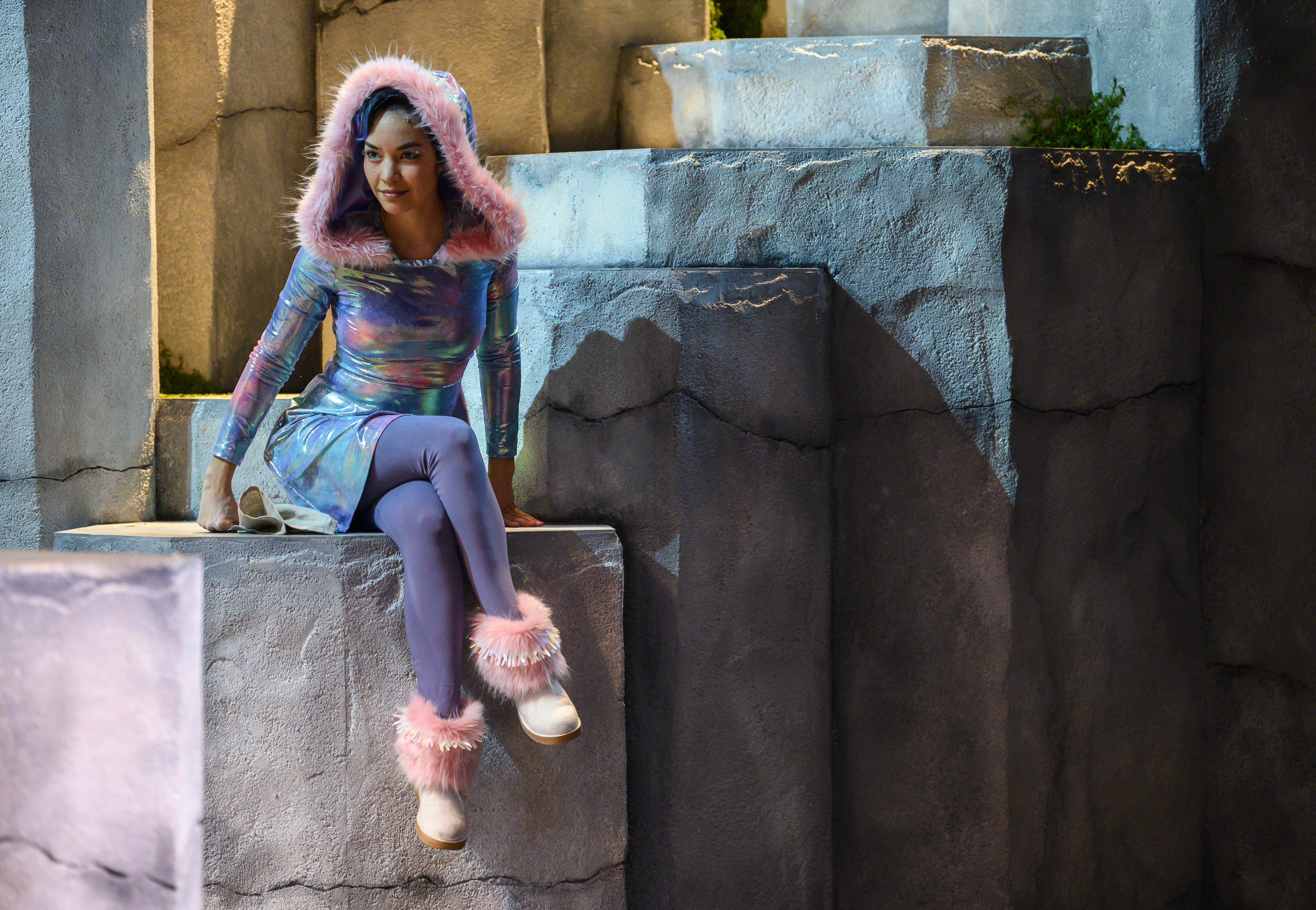
The costumes are brilliant. Kudos to Colleen Crivello and Marlene Speranza.

The only problem with “Chatterton” is that it isn’t “Tamara.” It doesn’t have that same energy and verve. The plotlines don’t coalesce as easily.

It’s also not “Dodo” which was a magical, transformative piece of theater. It’s hard not to compare it to the treasured past productions of immersive theater.

It is, however, a fine work by talented actors, expertly utilizing the charms of the cathedral, including its minuscule but venerable cemetery.

– MB

“Chatterton” runs from September 14 to October 28 at the Trinity Cathedral, 328 Sixth Avenue, Pittsburgh, PA 15222. For more information, click here.


Pittsburgh Shakespeare in the Parks opens THE TWO GENTLEMEN OF VERONA Labor Day weekend

Beginning September 1st, 2018, Pittsburgh Shakespeare in the Parks will present Shakespeare’s comedy The Two Gentlemen of Verona for the very first time in its 14-season history. Longtime PSIP supporter and artist Charles Beikert will direct the production during the first four weekends of the month. 

The play will perform from September 1 through 23 on Saturdays and Sundays at 2 pm, moving each weekend through Frick, Highland, and Arsenal Parks.

The Two Gentlemen of Verona is believed to be Shakespeare’s first comedy and introduces the theme of heroines pretending to be men, and the foolishness of love, loyalty, and infidelity. 

“There’ll be music…and a dog in the show. I can’t think of a better way for our enthusiastic audience members and PSIP fans to spend an afternoon with us in the parks!” says Artistic Director Jennifer Tober.

Director Charles Beikert previously directed The Comedy of Errors for PSIP, and appeared in the company’s productions of Romeo and Juliet and As You Like It.  He has also appeared on stage with several theatre companies in Pittsburgh including City Theatre and UnSeam’d Shakespeare Co.  Beikert’s approach to the staging of Two Gentlemen will focus on the slapstick and physical humor within the play, drawing upon such inspirational comedic styles of Lucille Ball, the Marx Brothers, Buster Keaton, and Bill Irwin. 

“We’re going to get silly, people! We and the audience are going to put aside the daily grind and the concerns of the contemporary world and rock out to some classic comedy,” says Beikert. “Pittsburgh loves Shakespeare and we’re delighted to bring our hilarious performances into our gorgeous city parks.”

The cast includes Charles David “Stoney” Richards (Antonio, Outlaw et al), a radio personality at CBS (WDSY-FM and KDKA) and an actor who has appeared in many films and tv shows, as well as in theatre Off-Broadway, in L.A., and locally in Pittsburgh, and PSIP Artistic director Jennifer Tober as the comedic servant Launce. 

PSIP favorites Nick Benninger as the protagonist Proteus and Bob Colbert as the hyperactive servant Speed will also entertain, with Liz Farina, Sadie Crow, Christine McGrath, Jahir Christian, and Brett Sullivan Santry, rounding out the cast. 

Longtime PSIP collaborator Lisa Leibering serves as Production and Costume designer (Comedy of Errors, Supernatural Shakespeare, King Lear, As You Like It, Romeo & Juliet). 

PSIP will celebrate the run of The Two Gentlemen of Verona during closing week with a Bantaam Night at Wigle Whiskey’s Barrel House, Wednesday, September 19, from 6 pm to 9 pm. Actors and PSIP team members will cavort and entertain throughout the evening. A portion of proceeds from the evening’s food and beverage purchases will support PSIP’s offering of free Shakespeare performances for all.

PSIP’S TWO GENTLEMEN OF VERONA PERFORMANCE SCHEDULE:

The first four Saturdays and Sundays though September – all shows at 2 pm, running approximately 90 minutes with no intermission.

Sept. 1-2  – Frick Park, Blue Slide playground, Beechwood Blvd. and Nicholson St, Squirrel Hill. Enter from 2500 block of Beechwood at Nicholson.

Sept. 8-9 – Highland Park, across from the Super Playground, Reservoir Drive.

Sept. 15-16 – Arsenal Park in Lawrenceville, 40th St. between Penn Ave. and Butler St. Enter from Penn or 40th.

Sept. 22-23 – Frick Park, Blue Slide playground, Beechwood Blvd. and Nicholson St., Squirrel Hill

Audience members are encouraged to bring folding chairs or blankets and a picnic. All shows are family-friendly and admission is FREE.  Donations are encouraged to support free Shakespeare in Pittsburgh city parks. Friendly dogs are also welcome.  Productions are “rain or shine” expect in the event of dangerous storm conditions.

Pittsburgh Shakespeare in the Parks was founded in 2005 by Artistic Director Jennifer Tober and has offered FREE Shakespeare productions to thousands of Pittsburghers since its inception.

For more information, visit www.pittsburghshakespeare.org


barebones calls out Bingo!


by Michael Buzzelli, ‘Burgh Vivant

On Sunday, August 19, the City of Pittsburgh declared Bingo O’Malley Day in a special proclamation issued by Mayor Bill Peduto. Via video, the mayor called the iconic actor, “A true son of Pittsburgh” at a special reception held at barebones productions black box theater in Braddock.

Bingo O’Malley has appeared in film, television and theater. He’s known best for his performances in “Out of the Furnace,” “Love and Other Drugs” and “My Bloody Valentine.” He has a lengthy IMDb page, listing a multitude of credits.

O’Malley’s long and varied career started with very humble beginnings. He was once a parish priest at Our Lady of Fatima in Hopewell in the late 60s, and spent thirty years as a juvenile probation officer and school social-worker. He honed his craft working in theater in his spare time.

In 2004, Andrew Paul, now the artistic director of Kinetic Theatre, drove a van around Ireland (both North and South) with O’Malley with a production of “The Faith Healer.” Paul said, “It was the single most transformative and life-affirming experience I ever had in theatre. Life imitating art – imitating life. Bingo brought something authentic to the play – a genuine spirituality. We would sit in pubs after performances for hours discussing the play and his performance in it with the audience members.” Paul added, “He had a cousin in every town – all of his Irish relatives came out to see us.”

Rich Keitel, a local director/actor/Point Park Professor, said, “Someone once asked the great Director Elia Kazan what was the most important thing about directing. What is the first thing that you should do? He replied ‘Get Marlon Brando.’ Well, I’ve been acting and directing in Pittsburgh for the past 35 years and when anybody asks me the first thing a director should do, I reply ‘Get Bingo O’ Malley.’ I had the privilege of directing Bingo in City Theatre’s ‘American Buffalo’ in 1989. Bingo was brilliant as always. What makes Bingo such a great actor is there is no bullshit in his performances. You can not catch him acting when he acts. He acts with lightning bolts of honesty and truth.”

In 2006, O’Malley worked with Founder and Artistic Director of barebones productions, Patrick Jordan, in “The Grey Zone,” a drama is set in a Nazi concentration camp among the Sonderkommando  – Jews who staffed the crematorium in exchange for better treatment and a few extra months of life. O’Malley played Miklos Nyiszli, a Hungarian Jewish doctor who experiments on children to save his own wife and daughter.

Bingo O’Malley in a production still from Joseph Varhola’s “A Fancy Piece of Homocide”
On Sunday evening, August 19, 2018 Mayor Bill Peduto issued a proclamation naming barebones productions’ black box stage “The Bingo O’Malley Stage” From left to right: Angela Vesco, Richard Keitel, Cotter Smith and Patrick Jordan on the mic. Vesco holds a portrait of the artist by director and teacher Melissa Martin. Photo credit: Brittany Spinelli

Jordan recalls the first time he met O’Malley. “It was in the lobby of the city theater in probably 1999 or 2000. We hit it off right away, bonding over Pittsburgh, plays, playwrights and movies.”
He said, “Although we hit a speed bump when I told him I thought ‘Road House’ was an American classic, and that Sylvester Stallone was a genius. But we got past that thankfully. ” Jordan added,
“I still believe those things.”

He said, “I was lucky enough to work with Bingo several times. The first time I worked with him was on Arthur Miller’s ‘All My Sons [for Starlight productions].’ I had a small part, but I would come into rehearsal just to watch Bingo work – even when I wasn’t on call. I admired they way he dealt with director and the other actors, and how he treated everyone else on the crew. It was amazing. I learned a lot!”

Jordan celebrated Bingo O’Malley Day with a gathering of family and friends that included live music and testimonials by fellow actors and directors. Near the end of the evening, Jordan presented the actor with a portrait, created by director and teacher Melissa Martin. Then, he dedicated his stage to O’Malley.

Keitel said, “Patrick Jordan put together a beautiful tribute to Bingo. It was a magical evening culminating with Patrick renaming the barebones black box Theatre to the Bingo O’Malley Stage.”

Jordan founded barebones productions was founded in 2003 to facilitate the growth of local theater artists through the production of challenging, entertaining and thought-provoking plays. The company has garnered a reputation for producing high-quality, risk taking plays such as “Motherfucker with the Hat,” “Small Engine Repair,” and “Hir.”

Paul said, “Bingo is a special human being. I have never known or worked with anyone so kind, patient, wise and passionate about art and justice. I’m so pleased that Patrick is naming his new space in Braddock for this wonderful man!”

The barebones productions’ Bingo O’Malley Stage shares its space with Kevin Sousa’s restaurant Superior Motors on the spot of a former Chevy dealership in Braddock.

-MB

You can attend a performance in the newly christened Bingo O’Malley Stage at Kenneth Lonergan’s “Lobby Hero” which runs from September 28 to October 20 at barebones productions, 1211 Braddock Avenue, Braddock, PA 15104.  For more information, click here.
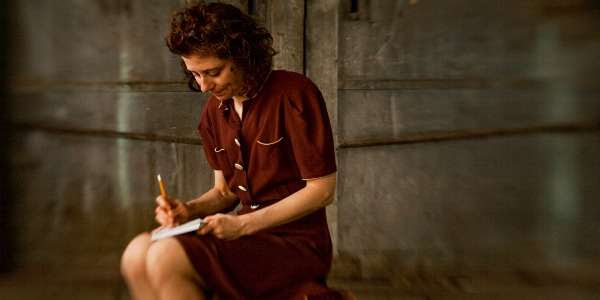
 

Pittsburgh Playwrights Theater presents August Wilson’s MA RAINEY’S BLACK BOTTOM for Highmark Blues and Heritage Festival

Pittsburgh Playwrights Theater Company, in cooperation with the August Wilson Center-African American Cultural Center, will produce August Wilson’s Ma Rainey’s Black Bottom for the first annual Highmark Blues and Heritage Festival.

The play focuses on businesswoman and entertainer Gertrude “Ma” Rainey, known as “The Mother of the Blues,” and one of the most popular blues singer/songwriters of the 1920s.  It is the first of Wilson’s ten-play American Century Cycle, now considered a staple of American theater.

“The Blues is an integral part of August Wilson’s legacy, a legacy we proudly continue through our programming at the August Wilson Center- African American Cultural Center,” said Janis Burley Wilson, August Wilson Center CEO and president. “With a new event like the Highmark Blues and Heritage Festival, it was only right that we take the opportunity to showcase how big of a role the Blues played in Wilson’s life, and what better way to tell that story than through Ma Rainey’s Black Bottom with the Pittsburgh Playwrights Theatre Company.”

The production, directed by Mark Clayton Southers, will feature Vanessa German as Ma Rainey. “We’re looking forward to collaborating with the August Wilson Center to stage and bring Mr. Wilson’s words to life,” said Southers.  Proceeds from the Saturday September 15, 2pm matinee will benefit Vanessa German’s “Art House” in Homewood.


Vanessa German as Ma Rainey. Photo by Duane Reider.

Ma Rainey’s Black Bottom will be presented September 14 through October 1, 2018 at Pittsburgh Playwrights Theater Company, 937 Liberty Avenue in Pittsburgh’s downtown Cultural District. Performances are 8 pm. on Thursday and Friday; 2pm & 8pm on Saturday and 3pm Sunday.  Tickets are $35, $20 at the door for students with I.D.; with no ticketing fees or surcharges. Tickets are available for purchase at www.pghplaywrights.org.

Support for Ma Rainey is provided by The Pittsburgh Foundation, The Heinz Endowments Small Arts Initiative, Regional Asset District, Greater Pittsburgh Arts Council, Richard King Mellon Foundation, August Wilson Center-African American Cultural Center, The Opportunity Fund, and Advancing Black Arts in Pittsburgh Fund.


Flipping the bird – a review of “Stupid F*****g Bird”

By Michael “Buzz” Buzzelli, ‘Burgh Vivant

In an episode of “Seinfeld,” George Costanza sighed and said, “Ah. What’s the point? When I like them, they don’t like me. When they like me – I don’t like them.” That comedic cry for help summarizes nine-tenths of the plot to Aaron Posner’s “Stupid F*****g Bird.”

Conrad (Chris Cattell) loves Nina (Sarah Chelli), but Nina loves Trigorin (Stefan Lingenfelter) who is dating Conrad’s mom, Emma Arakdina (Maura Underwood). While Conrad’s platonic pal Mash (Sara Ashley Fisher) pines for him, Dev (Matt Henderson) swoons for Mash. Love triangles interconnect and smash into other love triangles creating complex geometric shapes. It’s a love heptagon!

The lovers and friends all wrestle for attention on the estate of Dr. Eugene Sorn (David Maslow), who is the only character without a love interest.

When the characters are not busy wooing the wrong potential partners, they spend a great deal of time talking about art. They would probably make some salient points, if they weren’t so busy wrapped up in their own hearts and heads.

There are, however, some great points made about art, love family and failure, and a surprisingly skewered look at Shakespeare’s most quoted soliloquy that’s worth the price of admission.

Posner took Anton Chekhov’s “The Seagull” and mixed in some fourth wall breaking “Deadpool” to create “Stupid F*****g Bird.” The play is metatextual, intertextual and chock full of subtext. Let’s face it, there’s a lot of text! It’s also a bit logorrheic (as it goes on a bit longer than it should).

Sarah Chelli prances around on the stage-within-a-stage ruminating about the importance of now in “Stupid F*****g Bird.”

Chekhov’s characters fail a lot. It makes them both funny and tragic. Conrad is flailing about as he’s failing. He’s a gigantic screw up and – worst of all – he knows it. Cattell, however, does a marvelous job as the downtrodden playwright. His asides to the audience are rage filled rants. They are poignant, eloquent and humorous all at the same time. When he rants, “You’ll all be back on your cell phones checking messages before you get out of the aisle of the theater,” he’s practically prescient.

Fisher’s Mash is more Wednesday Addams than the daughter of a Russian retired lieutenant, Ilya Afanasyevich (her father is written out of this version). Fisher gets some of the best lines in the play and she knows how to use them. She’s a delight.

Henderson’s sad sack Dev is so fun to watch. Henderson manages to eke out laughs from nearly every line, action or – in some cases – inaction. He’s goofy and charming at the same time. It’s as if he was born to play the role.

Underwood is flawless as the stone cold momma. Her Emma is a great actor who – ironically – can’t connect. Somehow Underwood garners a great deal of sympathy for the harsh creature she portrays.

Director Vince Ventura does a fantastic job with this top notch cast. He seems to understand this play instinctively and intellectually.

Scenic designer Hank Bullington makes art on a budget. The compartmentalized kitchen in the second act is beautifully rendered.

Since it wasn’t a faithful adaptation of “The Seagull,” it’s curious that Posner chose to write such a long comedy. Admittedly, “The Seagull” runs far longer at two hours and thirty minutes, but “Stupid F*****g Bird” is lengthy for a contemporary and satirical spin on the classic.

A few key notes about the title: “Stupid” is very smart. “F*****g” is in the title so don’t bring the kids (or grandma). The metaphor about the “Bird” is so sad and weird in all the best ways.

-MB

“Stupid F*****g Bird” runs until August 12 at the Richard E. Rauh Studio Theatre in the subbasement of the Cathedral of Learning, 4200 Fifth Avenue, Pittsburgh, PA 15260. For more information, click here.
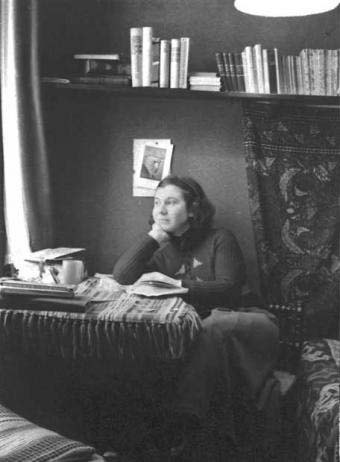
 

Putting the artistry in Con-Artist – a review of “Dirty Rotten Scoundrels – The Musical

By Michael “Buzz” Buzzelli, ‘Burgh Vivant

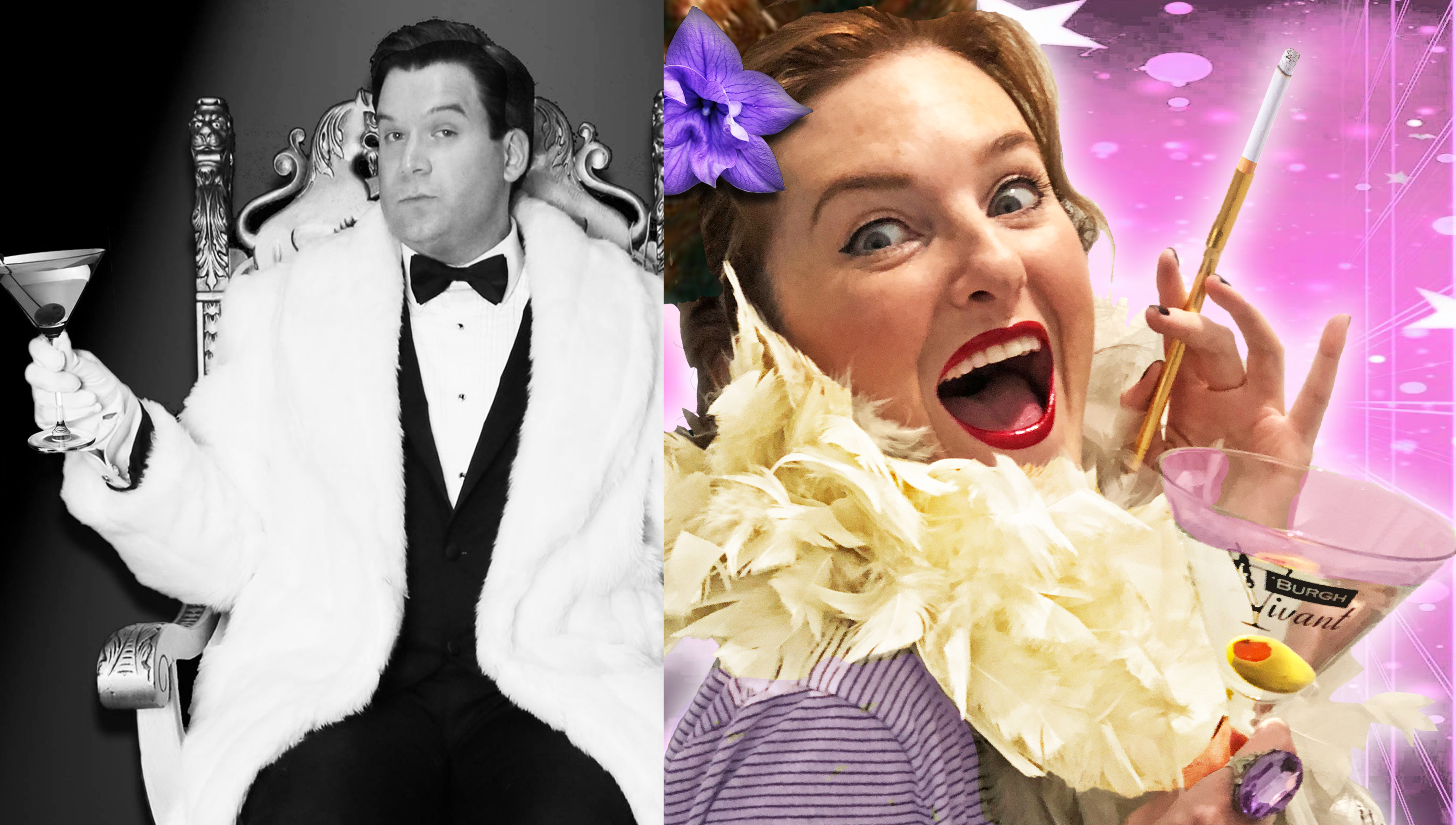
When Lawrence Jameson (Matthew J. Rush), a charming bon vivant (oh heyyyy!) and dirty rotten scoundrel, meets Freddy Benson (Damon Spencer), an uncouth con artist, on a train bound for the French Rivera, he quickly realizes that Beaumont sur Mer isn’t big enough for the both of them in “Dirty Rotten Scoundrels – The Musical.”

Jameson has been scamming rich widows out of their money for years, but he doesn’t want to contend the young buck who breezes into town. Jameson convinces Benson to peddle his petty cons elsewhere. Benson is just about head for Spain, but a chance encounter with Muriel Eubanks (Cynthia Dougherty) convinces him there’s more to Jameson than meets the eye. A lot more.

Benson barges into Jameson’s villa. He is immediately overwhelmed by the beauty and opulence of his surroundings. The young grifter wants to learn at the feet of the master. Despite the warnings by his right-hand man, Inspector Andre Thibault (Leon S. Zionts), Jameson decides tutor him the artistry of the con.

Benson learns the nuances of scamming wealthy debutantes and widows, but grows bored quickly. Then, Christine Colgate (Stephanie Ottey) checks into the hotel at Beaumont sur Mer. The dastardly duo decide to compete for the young woman’s affections and $50,000 of her money. The game is afoot!

Lawrence Jameson (Matthew J. Rush) teaches his pupil, Freddy Benson (Damon Spencer) the art of the grift.

Jeffrey Lane and David Yazbek’s musical is based on the 1988 movie with Michael Caine and Steve Martin. They have revised and reshaped the story only slightly to fit the format. However, if you know the movie, you will see the big twist coming from miles away. Knowing the ending doesn’t spoil it. It’s all about the journey not the destination, and there are plenty of laughs on the way.

Rush rules the roost. He is perfect as the king of the con. He’s so debonair and suave while singing and dancing throughout the show. It was a great role for Rush.

From the moment Spencer sidles up to a mark, the show kicks into overdrive. His energy and enthusiasm lifts the show higher. He shines in this role.

Ottey’s Colgate is so delightful. She’s charismatic and charming on stage.

Zionts is smarmy but charming as the French inspector. As far a crooked police inspectors go, he’s right up there with Casablanca’s Captain Renault (Claude Rains). His wry smile made a few jokes work that could have easily conked out in the hands of lesser actors.

Dougherty does an amazing job as well. She was the ideal choice for the role of Muriel Eubanks, oozing with sophistication but with a soupcon of naiveté.

Once again, Candice Fisher knocks it out of the park. Fisher was the highlight at the last Stage 62 show, and she brings all her sass back for this production.

There were some minor quibbles: The ensemble could have used a little more work perfecting their dance moves. There may have been too many of them for the size of the stage. At the Music Hall in Carnegie, the band always overwhelms, even though the actors had microphones. However, it was such a fun show it’s hard to complain – even though it’s my specialty!

It appears (from his brief bio) that it was TJ Pieffer’s directorial debut at Stage 62. It’s an admirable job for a new director. Let’s raise a glass to him! May he have a long and varied career directing around Pittsburgh (and beyond).

-MB

“Dirty Rotten Scoundrels – The Musical” runs through July 29 at the Andrew Carnegie Free Library and Music Hall, 300 Beechwood Avenue, Carnegie, PA 15106. For more information, click here


The end of the line for Blanche DuBois – a review of “A Streetcar Named Desire”

By Michael “Buzz” Buzzelli, ‘Burgh Vivant

Blanche DuBois (Ponny Conomos Jahn) finds herself at the end of the line (literally and figuratively) when she steps of the trolley in search of her sister, Stella (Jena Oberg) in Tennessee Williams’ classic tale, “A Streetcar Named Desire.”

The faded southern belle leaves her plantation Belle Reve and enters a small, ramshackle neighborhood – just outside of the French Quarter in New Orleans – named Elysian Fields. It’s a far cry from poetic Elysian Fields of myth and memory. In a tenement – in this ironically named parish – Blanche reunites with Stella.  There, in the squalor of her new surroundings, Blanche finally meets her sister’s husband, Stanley Kowalski (Buddy Wickerham).

Blanche finds him boorish and brutish. Stanley does not receive his sister-in-law with open arms. They are wary of each other, like cats circling one another, fighting for the same patch of sunlight.

It’s a big adjustment for the downtrodden DuBois sister as she goes from antebellum to urban. She has fits of panic and needs the occasional glass of liquor to soothe her nerves. Lying! She goes through bottles and bottles of it. Her only salvation comes in the form of a gentleman caller, Mitch (Gregory Caridi), or so it seems.

While Blanche has a tragic backstory, she twists it to her advantage, particularly in the presence of younger men. She obfuscates, prevaricates and humiliates Kowalski. Stanley, however, is determined to destroy her.

Spoilers – even though the play is nearly seventy years old – Stanley does triumph. He pins her down on the mat like a studio wrestler. It’s one devastating blow after another. He destroys her relationship with Mitch, damages her relationship with her sister and finally…rapes her on his marriage bed. She has a psychotic break with reality and both of the Kowalski’s agree to ship her off to a sanitarium. It’s a bitter end to the bitter queen of Belle Reve.

A portion of the cast gathers in front of a streetcar named Desire (the now defunct line that ran through New Orleans, LA is now housed at the Pennsylvania Trolley Museum).

While there were a few shaky lines on opening night, Conomos Jahn does a spectacular job as the sultry and sullen southerner. She delightfully dominates in every scene – as any Blanche DuBois should.

Like Stanley everyone should be shouting Stella, or in this case Jena. Oberg does an amazing job. Make no mistake, Stella is culpable for Blanche’s fate as well. Oberg shows an incredible range of emotion making the final scene heart-wrenching.

Wickerham burns with intensity.

There’s a stellar(STELLA!) job from the rest of the cast: Aleta Richmond, Sadie Crow, Jared Pfennigwerth, Arjun Kumar, Shawn White (not the flame-haired snowboarder) and Dewayne Curry.

Art DeConciliis does a fine job directing his menagerie of actors.

There is an overabundance of scenery that obscures views of this bright and energetic cast. Almost all Little Lake Theatre productions are performed in the round, and that’s always going to be an issue, but a little bit less scenery could have mitigated the problem.

Also, the music and sound production overpowered the dialogue in some critical moments. I want to hear these wonderful lines spoken by this cast!

Note: On opening night, a set of rowdy theater-goers decided to make their own merriment and performed their own spoken word pieces through the majority of the second act, even after being shushed. If you can’t keep your trap shut, stay home and watch the movie version. It was Stanley Kowalski’s night to handle all the rude and uncouth behavior. Don’t overshadow his barbarism with your own!

“Memories,” by Panic! In the Disco, goes, “And it was beautifully depressing, like a streetcar named Desire. They were fighting for their love that had started growing tired.” Williams’ story is exactly that; beautifully depressing. Melancholy – artfully done.

“A Streetcar Named Desire” runs until July 28 at the Little Lake Theatre, 500 Lakeside Drive, Canonsburg, PA 15317. For more information, click here.


Pittsburgh New Music Ensemble in bloom: an interview with Kevin Noe

by Dave Zuchowski, ‘Burgh Vivant.

The Pittsburgh New Music Ensemble has been a mainstay of the Pittsburgh music scene for many years. Now ready to begin its 43rd year on July 6 with a 4-week series, the Ensemble will perform at the City Theatre on Pittsburgh’s South Side.

The first two weeks alone will feature five world premiere commissions, a not unusual occurrence considering the Ensemble’s legacy of performing more than 300 world premieres. Interestingly, the season spotlights topics as varied as “the tragedy of infertility to the need for remembrance, from the five stages of grief to a genre bending tribute to Bernstein, Gillespie, and Monk, and all the way to the goofy but poignant remarks of children around the dinner table.”

The series of concerts will include not only music but also visual art, poetry, shadow puppetry, and animation –  and Week 4 will reprise “The Gray Cat and the Flounder,” which enjoyed two performances during PNME’s 40th season to a packed house in 2015 and a closing night SELL OUT performance – the first in the Ensemble’s history.

Below artistic director, Kevin Noe discusses the upcoming performances with Burgh Vivant’s Dave Zuchowski.  A detailed account of the upcoming season can be found on Dave’s blog www.pittsburghowlscribe.blogspot.com

The Gray Cat and the Flounder. Kevin Noe, Right. Photo: Alisa Garin Photography.

DZ: Does the Ensemble have a regular corps of musicians that are augmented by soloists when needed? If so how many are regulars and how to you go about selecting them and the appropriate accompanists for each work? Are they mostly local talent or do they come from much further away?

​KN:  The PNME Theatre of Music is made up of a core ensemble flute, clarinet, percussion, piano, violin, cello, soprano, bass-baritone, lighting designer, and sound designer. This is what we consider to be the “lime green dream team”. There are three members of the ensemble that have been with me for 17 of my 18 years, and most have been together for 10+ years. Every once in a while, we have a team member move on, but it takes us years to replace them! The type of intense work that we do in working with brand new compositions incorporating staging, lighting, theatrical elements etc… the important thing is trust! We all trust each other implicitly and it’s the only way we are able to create the art we do in the timespan that we have. When we commission works, composers know of our instrumentation, but sometimes can’t help themselves but to write also for a double bass or a trumpet for example. We have only a few (if any) guests per year that perform with us. It all depends on the season.

The only one of the team who live here in Pittsburgh is Andy Ostrowski, our lighting designer. Everyone else is spread throughout the country and the world. Our pianist was born in Sweden but lives in Vienna, our violinist was born in London but lives in Paris. The rest of the team is spread all around the country throughout the rest of the year and we all convene just once a year in Pittsburgh and bring the best of all worlds together for our audience.

DZ: The program for Week 1 lists three world premieres by American Composers Forum national competition winners chosen from 474 applicants. Each one has a specific theme with a broad range of inspirational fodder. The selected compositions vary in thematic content from dinnertime conversations between the composer and his 2 and 4 year old sons to a touching tribute to the 100th birthdays of Thelonius Monk, Dizzy Gillespie and Leonard Bernstein (three artists who have influenced jazz bassist and composer to Rufus Reid’s work) and Elizabeth Kübler-Ross’s classic model of the Five Stages of Grief – Denial, Anger, Bargaining, Depression and Acceptance – woven into words and music by composer, Jung Yoon Wie. How did these three particular pieces end up on your program and will the aural experience be as wide ranging and sundry as their thematic referents?

​KN:  ​These three compositions are commissions – and incredible ones at that! The competition was set up so that we chose three composers to write us a piece for PNME. Last summer they came to Pittsburgh with us during July and saw the vibe, met the musicians, experienced the type of art that is possible in our Theatre of Music and then left to composer during this last year having a real understanding of the possibilities for their composition to be premiered this weekend! Thematically the three compositions may seem very disjunct on paper but wait until you see how we pull all the threads together this weekend. It is really going to be a strong concert – one of our strongest all-commission concerts ever in our history. Throughout the organizations 43 years we have commissioned over 300 new works, not all of them successful, but this weekend we lucked out. These three composers created stunning pieces and we’re so honored to be working with them this week. Shout out to the incredible American Composers Forum for making this concert possible.

DZ:  Several of this month’s series of concerts involve a collaboration between the Ensemble and visual artists, puppeteers, poets even a cartoonist. Has the Ensemble had an extensive history of working with artists outside of the musical arena? How are they and their work woven into the upcoming performances and how do they affect the overall audience experience?

​KN:  ​Yes! We call ourselves the PNME Theatre of Music because truly anything goes! We pride ourselves on using music for the vehicle for larger ideas, but if the story is best told through dance or slam poetry as well, we will make it happen. Our audience is incredible. They all show up not knowing what to expect, but having real trust that the experience, no matter what is it, or how it is realized, will be worth being there for.

DZ:  I see that you’ve been credited with developing a presentation style for the Ensemble now known as “Theatre of Music.” Could you explain what is meant by this term?

KN:  When I came to PNME in 2000, there was a lot of great commissioning happening, but it was all concert style, and to me, lacked guided listening. The audience in 2000 was the typical new music audience – composers, musicians, etc, and was not accessible to a broader group of listeners. Once I started truly focusing on the audience, a lot of things started to take shape for me. We started to incorporate lighting and sound design as fundamental tools for expression. We also put storytelling, no matter the media, at the forefront. Our audience is mainly made up of NONmusicians now, and I couldn’t be prouder that they trust us to bring meaningful experiences to them year after year even if they have no base for understanding how.

DZ:  Any advice for newcomers who may not be familiar with New Music? How should they approach the concerts, what should they expect and what do you hope they will take with them when they leave the theater?

KN:  A Theatre of Music concert isn’t a typical New Music concert. Yes, commissioning new work is a big part of our mission, but audience members come having no expectations because they have learned over the years that one weekend’s concerts at PNME are completely different than the next and the following. One may lend to Music Theatre, the next hard core New Music, the next jazzy with poets or dancers etc. You never know what you’re going to get at PNME. As for walking into any New Music concert, even if it’s not something that is necessarily your favorite composition… it is still great to always keep in mind that the page was blank, and the composer sat down and decided what you are hearing is what they wanted to express. The page was BLANK! I am so grateful to have worked with so many truly extraordinary composers and it has given my life so much meaning.

DZ: What drew you to New Music and, as someone who is also immersed in theater, opera, writing, stage directing and playing the trumpet, how much time do you devote to it? How do you balance all these different areas of interest in your life?

KN:  I’m not sure I’m necessarily drawn to new music – per se. am drawn to deep artistic experiences shared with an audience. The artistic media itself isn’t actually that important to me, but the connection to the audience means everything. Working in New Music means working on creating new work – of our time – for our generation – born of today. It also means getting to work with some of the most talented musicians I’ll ever have the honor of working with as many of the finest musicians in the world today focus on new music and early music.

I devote as much time to it as I possibly can, but certainly it is never enough. Since my life and career have always been divided into two parts as a dedicated teacher who believes passionately in working with younger people, and as a professional performer/creator who is focused on creating new experiences for audiences, I’ve continually juggled those two identities. Perhaps at some stage I’ll wind up focused on just one, but I will always have a heart in both camps.

DZ: As an avid advocate of the arts, what do you see as the value of art for either a creator or consumer and for individuals as well as society at large?

KN:  When art is impactful it positions us to better understand our world and our unique place within it. Art gives form, identity, and perspective. It gives us time and place. This broadened and color filled awareness gives art its power. Even during the most divisive period we’ve been in during my lifetime, we are all more similar than we are different. Art of all mediums has a way of bridging the gap between us and reminding us what being human is all about. This is why I go. I need that. And on the nights that it really hits – there’s nothing better. I leave knowing my world is always bigger than I could have ever imagined.


For tickets and more information on Pittsburgh New Music Ensemble’s 2018 Season, visit www.pnme.org.


Lady Macbeth Does Hamlet with Finesse in a Dress – a review of William Shakespeare’s Long Lost First Play (Abridged)

By Claire DeMarco, ‘Burgh Vivant

Hark! Listen! Pay Attention! Something funny this way cometh!

“William Shakespeare’s Long Lost First Play (Abridged)” is based on an imaginary discovery of the Bard’s first play. Found in a hole in a parking lot in Leicester, England, this fictitious find is the first play written by a seventeen-year old William Shakespeare (and in his own hand). Tallied at over 100 hours of play time and approximately 1639 characters, this “masterpiece” contains every character Shakespeare ever created, every plot ever developed, every mistaken identity ever devised, every set of twins envisioned; an imagination gone wild!

Puck and others (Reed Martin), Hamlet, Shakespeare and others (Austin Tichenor) and Ariel and others (Teddy Spencer) take this hypothetical discovery and trim it down to a reasonable output.

The audience is also involved intermittently on how this huge work will be reduced from at one count, Act IV, Scene 2079 to something more reasonable.

Shakespeare finally concludes that there are perhaps 39 or more plays contained within this giant undertaking. Hamlet should be a standalone play, Puck and Ariel will not be paired together, Lady Macbeth and Hamlet did not have “a thing.” Perhaps more thought was also needed for some of the character names. Romeo and Ethel may need rework, fine tuning.

The stage is unadorned with a backdrop suggesting an outdoor façade with two open doorways.

Martin, Tichenor and Spencer transition from one character to another, changing costumes that reflect their new identity (whether male or female) to dialogue delivered in verse to natural conversation.

Their efforts are seamless and smooth. Comedic timing is perfect. Martin, Tichenor and Spencer’s actions are fast paced, but not frenetic. They segue easily between changes in character and costumes and deliver a potluck of innuendoes, puns, sarcasm and double takes.

Hilarious, amusing, farcical and even silly. Silliness is a wonderful sensation and should be succumbed to as often as possible.

It doesn’t matter if you love Shakespeare or not, funny is funny.

“William Shakespeare’s Long Lost First Play (Abridged)” is written and directed by Reed Martin and Austin Tichenor.

CED

Performed by the Reduced Shakespeare Company, “William Shakespeare’s Long Lost First Play (abridged) runs through July 1, 2018 at the Pittsburgh Public Theater, 621 Penn Avenue. For more information, go here

A Divide Between and Among Us – a review of “Building the Wall”

By Claire DeMarco, ‘Burgh Vivant

“Building the Wall” is based on a combination of factual events interspersed with hypothetical situations. It’s 2019, President Trump has been impeached, and Rick (Tom Kolos) is in prison.

How did this happen? In 2017, several blocks of Times Square are nearly destroyed from a terrorist attack in response to the effects of edicts from Homeland Security on immigration. From this attack, problems escalate over much of the year. Martial law is declared. It’s aimed at detaining anyone deemed a risk to national security. Containment centers overflowing with people ultimately spin into chaos and disaster. Rick was involved in one of these centers.

Gloria (Lauren A. Bethea), a history professor, meets Rick in prison. Rick has been charged with a series of crimes at a containment center. Gloria wants to engage Rick in an unfettered interview that would detail his point of view. Rick’s involvement in this tragedy began as a seed that grew from “If you don’t control your borders, you don’t have a country” to a participant in a series of evil happenings.

Even after his admissions are divulged (and they are horrific, reminiscent of the Nazi horrors during World War II), there is still a wall that divides Gloria’s world view from Rick’s. Although this wall is not a physical one built with brick and mortar, it is a microcosm of the division in the country.

The setting takes place in a prison room – one table, two chairs, two plastic cups on the table.

Kolos runs the gamut of many emotions – from a seemingly sensitive person recalling his wife and family to an argumentative, indifferent player in the tragic events. His body movements express many of these emotions – leaning forward and getting in Bethea’s face to make a point, slouching in his chair, pacing around his side of the table.

Bethea is believable as she cleverly seduces Rick with the right tone and words to bring out the truth. She transitions easily from a calm interviewer to a challenging and sometimes aggressive interrogator.

“Building the Wall” is a thought-provoking play written by Robert Schenkkan and brilliantly directed by Ricardo Vila-Roger.

CED

“Building the Wal” runs May 24-June 10. All shows at The Richard E. Rauh Studio Theatre at the University of Pittsburgh Cathedral of Learning, 4200 Fifth Avenue, Pittsburgh, PA 15213. For more information, click here

css.php